February 6, 2026
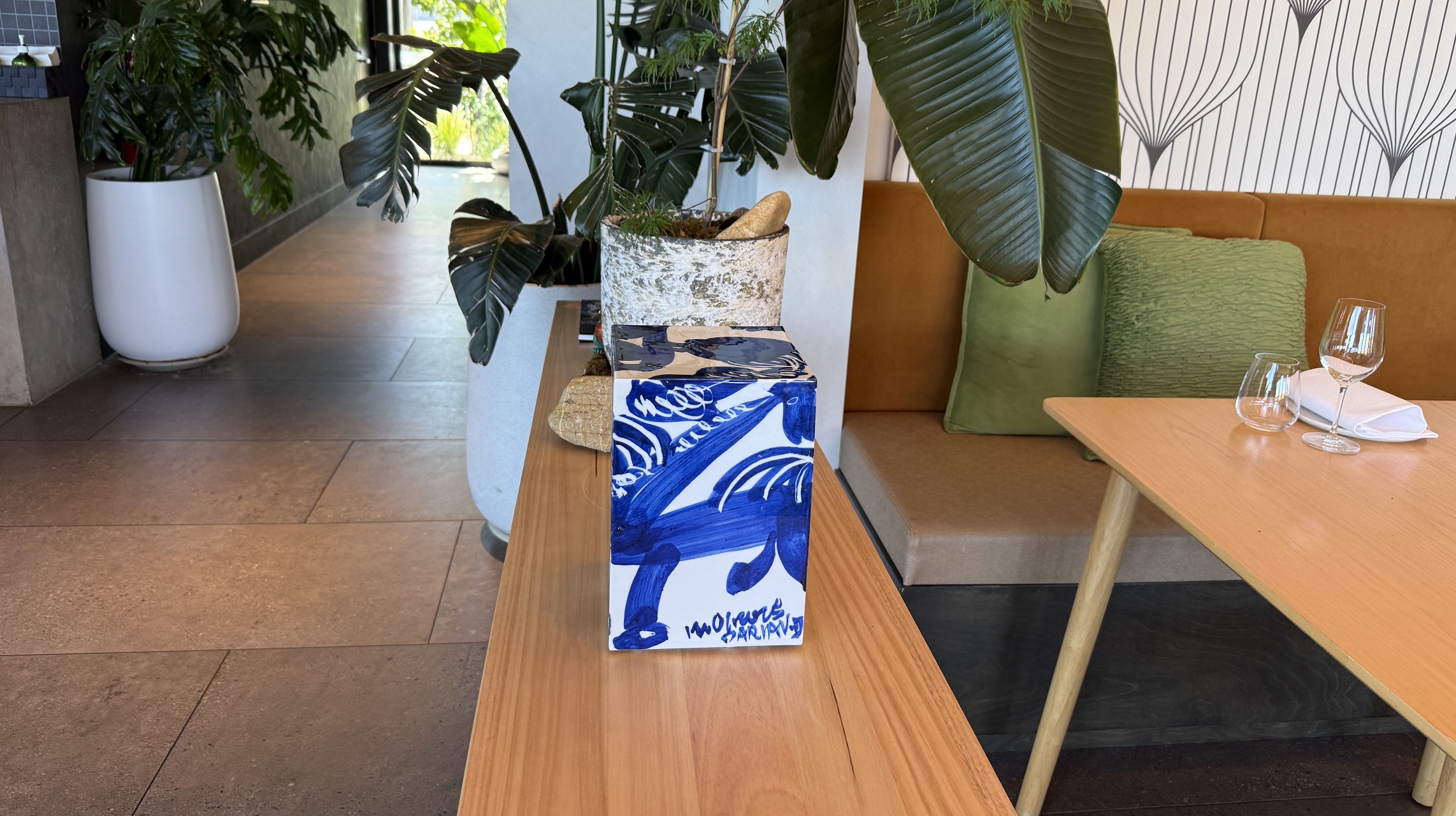
Within the everyday environment of Helen and Joy Winery, a group of ceramic works has been quietly integrated into the space. They are not presented as an exhibition, nor positioned as short-term displays. Instead, theworks exist as part of the winery’s ongoing spatial and operational context.
Created by the artist Darian, these ceramic pieces enter the winery not as decorative accents, but as a continuation of hispractice within a real commercial setting—where art encounters daily use, time,and spatial responsibility.
In Darian’s practice, ceramics are treated as an open mediumrather than a form bound by tradition or purely ornamental value. His worksinvestigate how material can function, be perceived, and sustain relevancewithin contemporary environments.
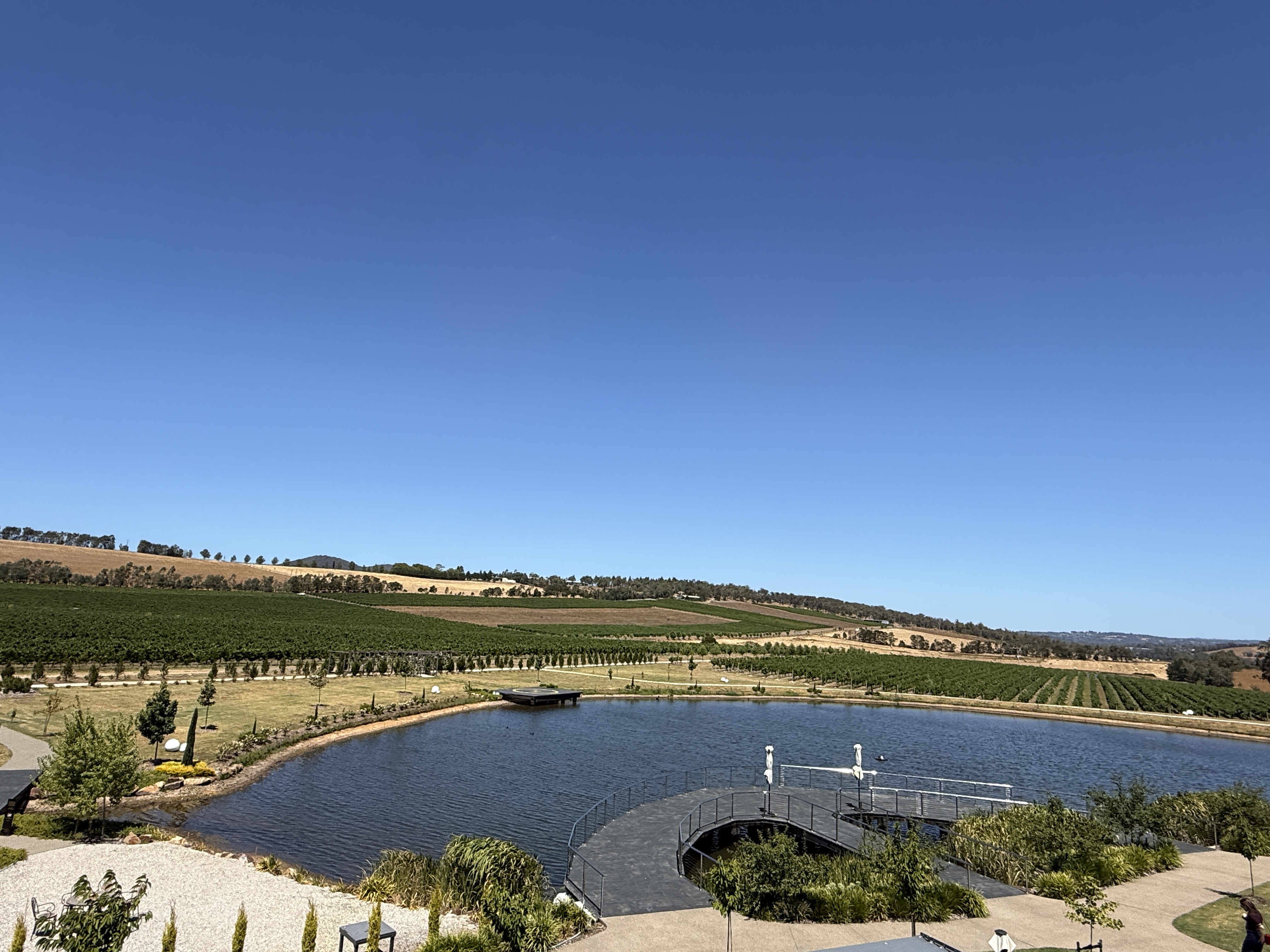
Within the winery—an active site combining production, hospitality, and public experience—the ceramic works coexist with architecture, light, and spatial rhythm. They do not dominate the space, but maintain a controlled presence, allowing viewers to encounter them both visually and experientially.
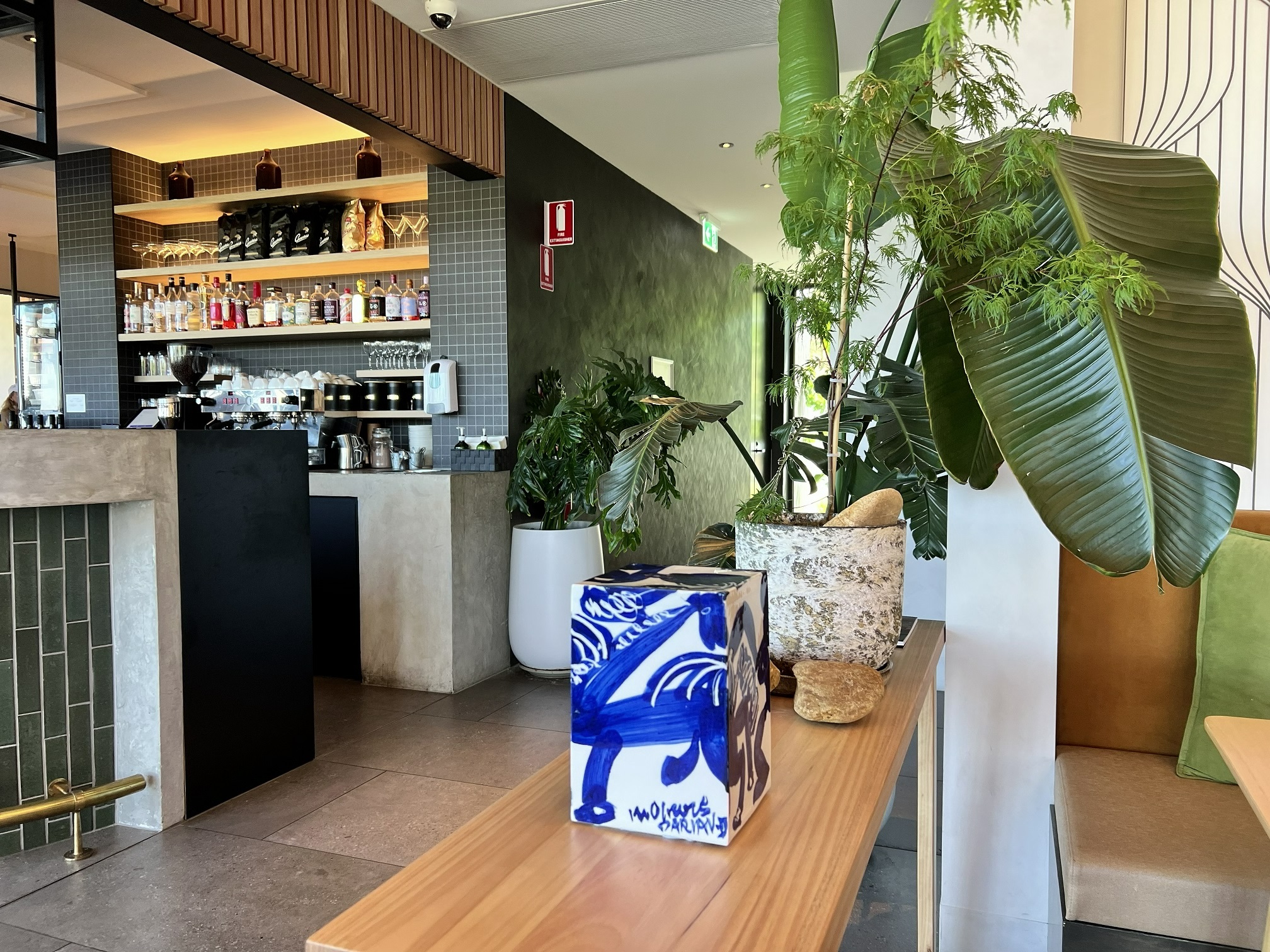
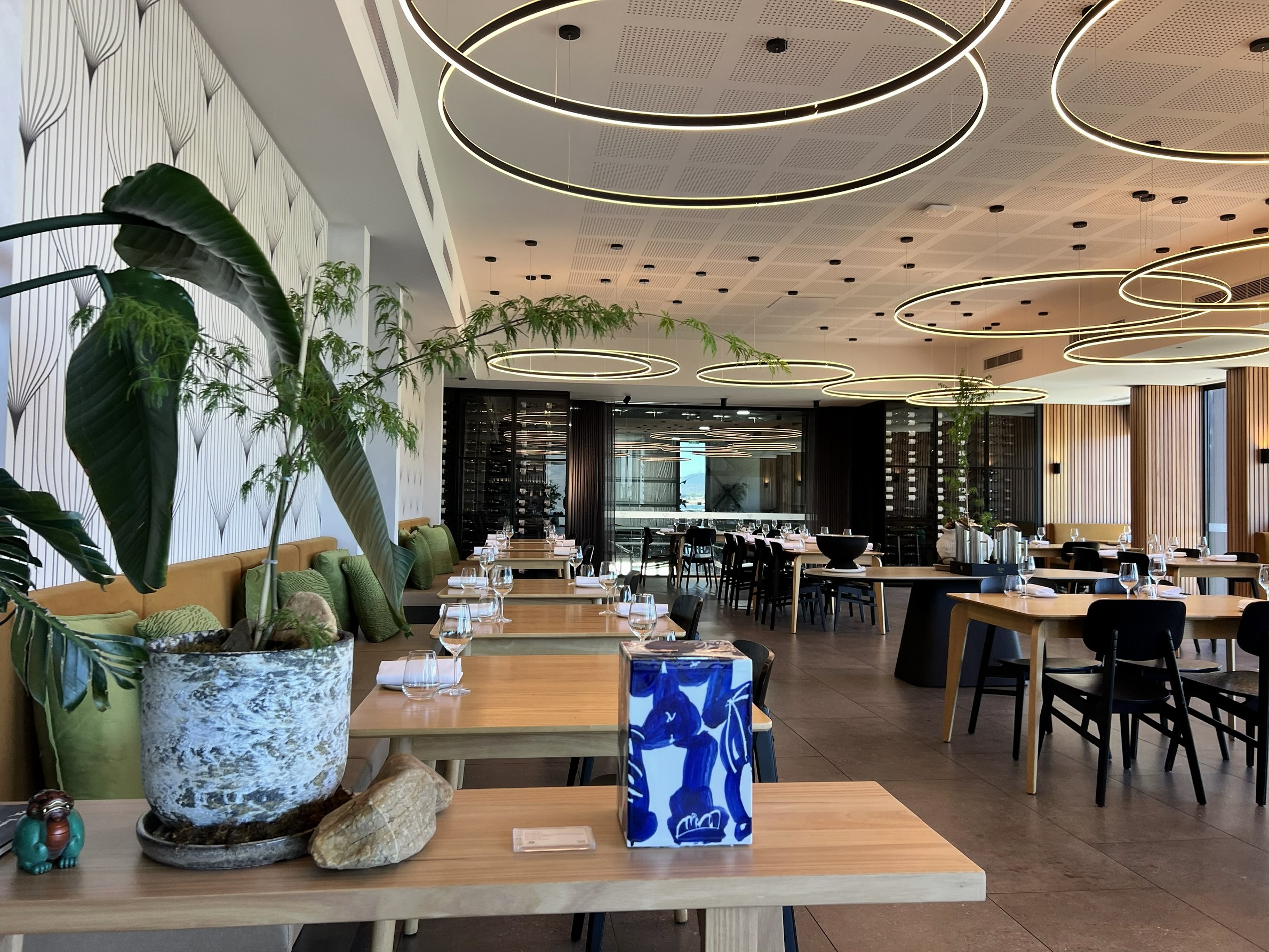
The placement of these works within a winery requires themto respond to scale, durability, and continuous interaction. This transitionfrom studio to real-world application places higher demands on the work’sresolution and confirms its capacity to function beyond isolated presentation.
Here, the ceramics are no longer detached art objects. Theyparticipate in the lived environment, occupying a position between form andfunction. This balance reflects the maturity of Darian’s practice andestablishes a clear footing for his work within a commercial context.
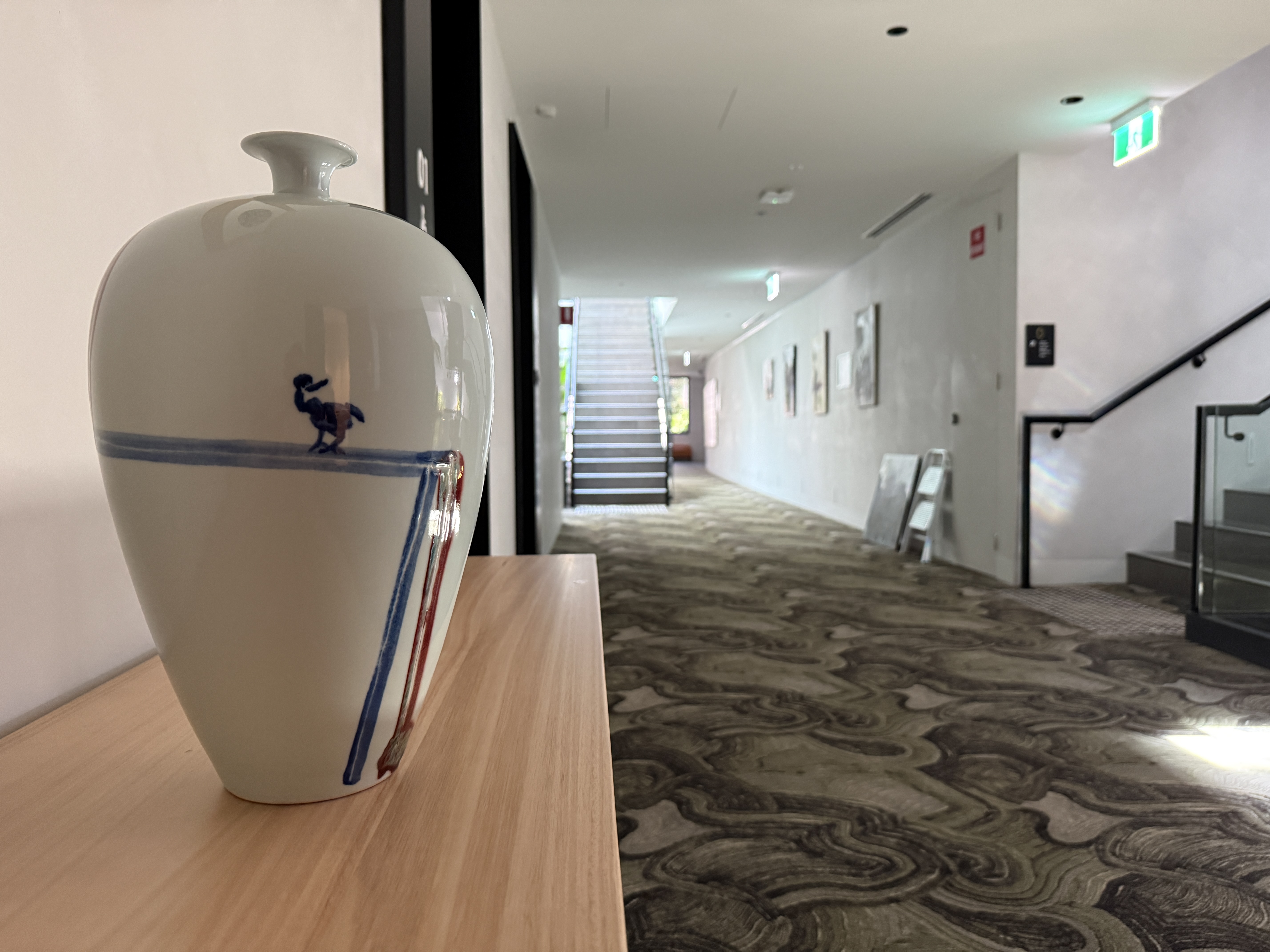
The presence of art in a commercial space does notinherently weaken its expression. When carefully situated, such contexts cansharpen an artist’s judgment and clarify the boundaries of the work.
Darian’s ceramics retain precise control over material, proportion, and surface. Their placement within a refined commercial environment demonstrates that the works do not rely on branding narratives or decorative intent to be understood. This independence allows the work to remainadaptable across different cultural and spatial conditions.
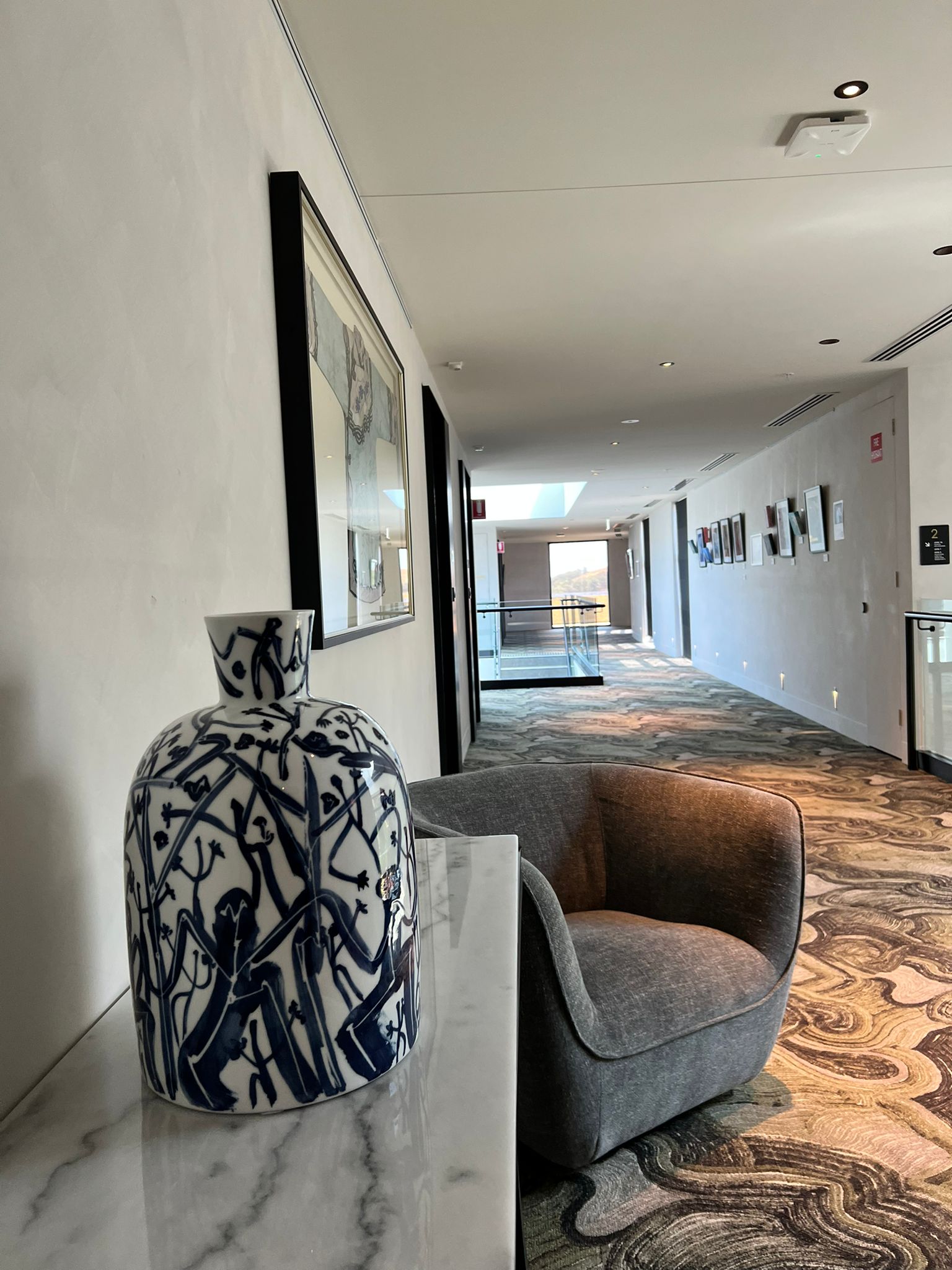
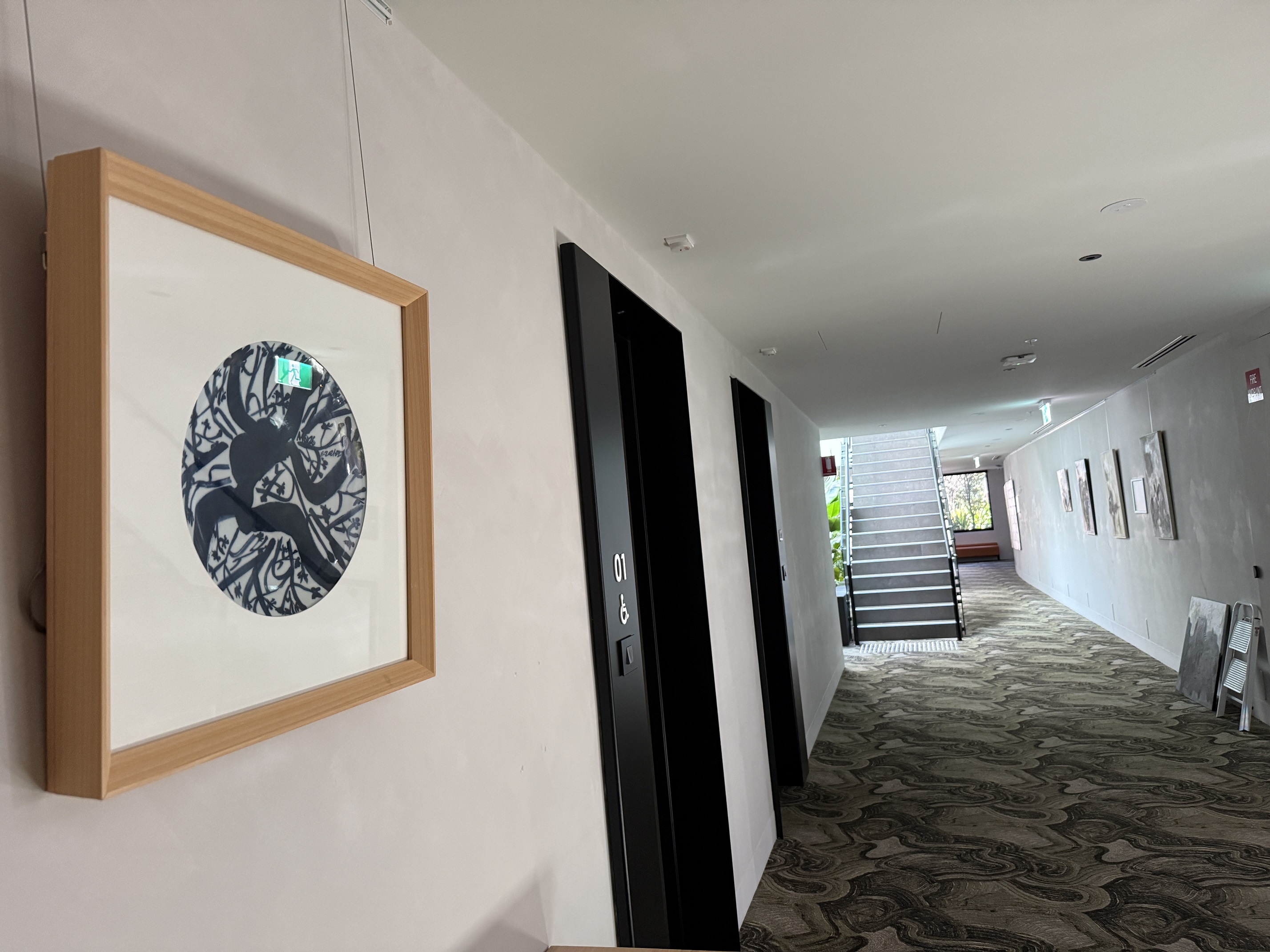
This integration into the winery is not conceived as a temporary installation, but as an ongoing presence. The works will continue toexist alongside the rhythms of the space, shaped by time, use, and changingconditions.
Such continuity forms an essential dimension of the workitself, marking a shift in Darian’s practice—from singular presentation towardsustained spatial engagement.
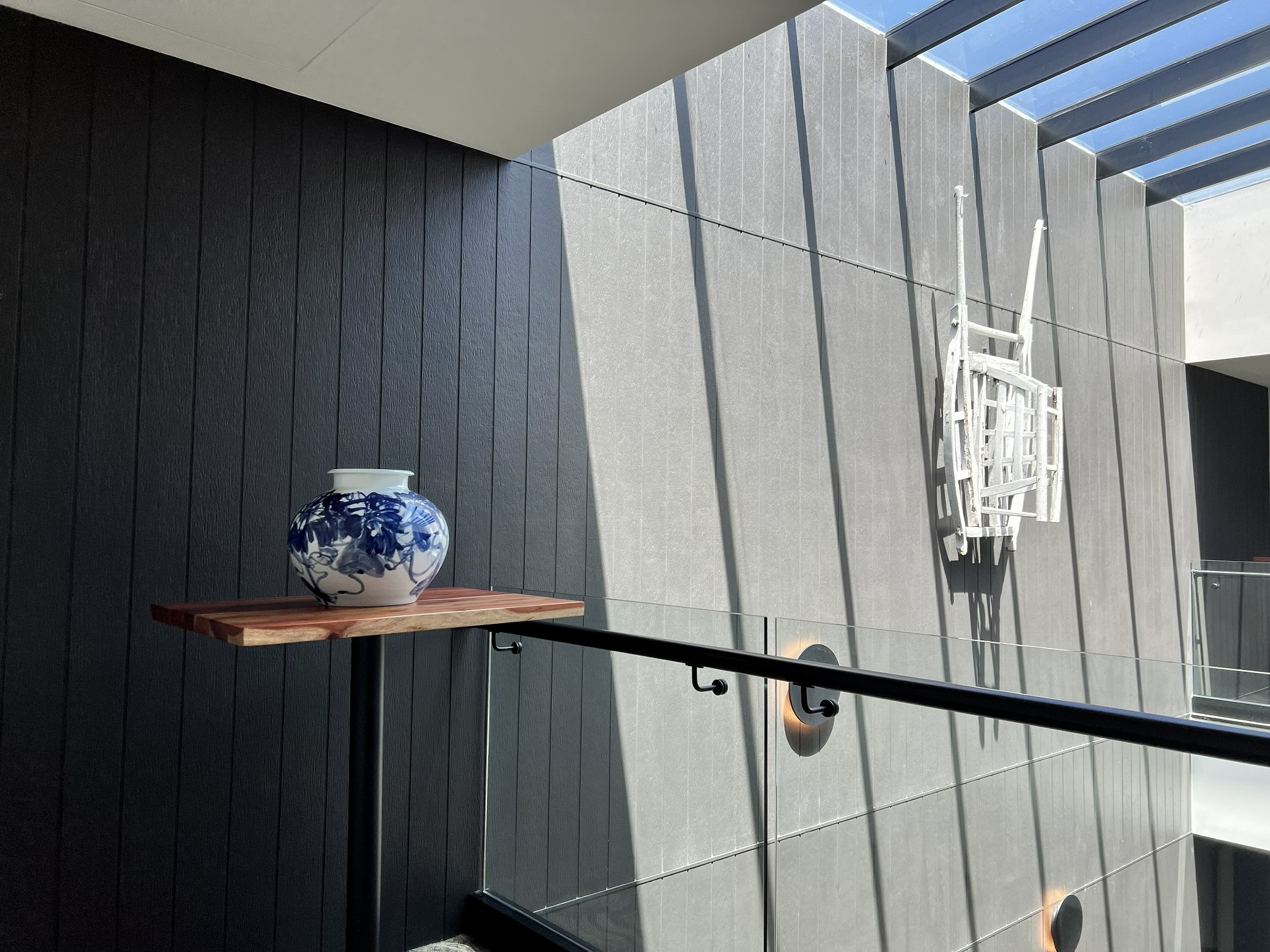
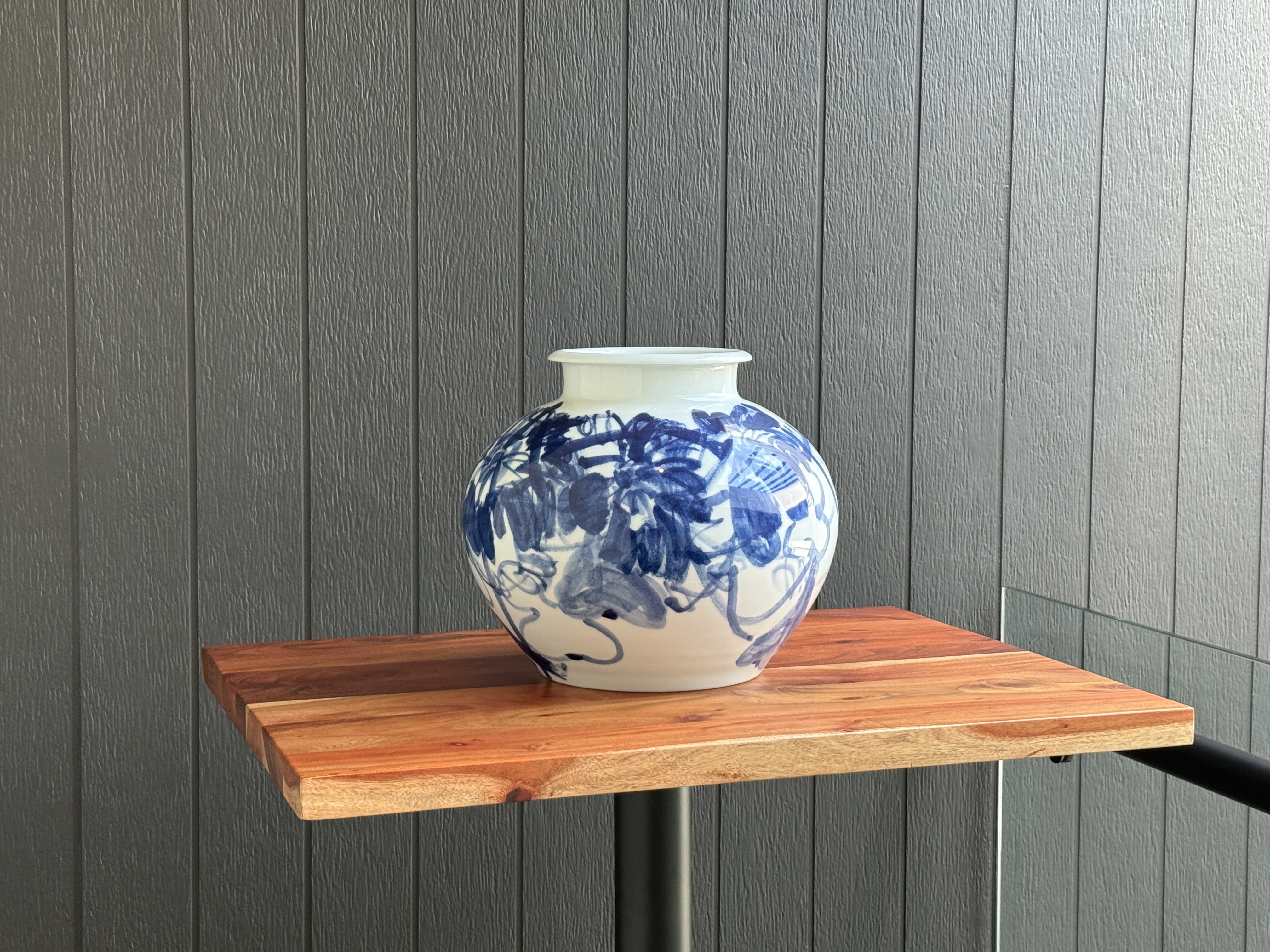
Darian works primarily with ceramics, exploring how material can operate withincontemporary spatial and commercial environments. His practice focuses on theconditions under which art can remain autonomous while engaging with real-worlduse, and his works have been implemented across multiple applied contexts.
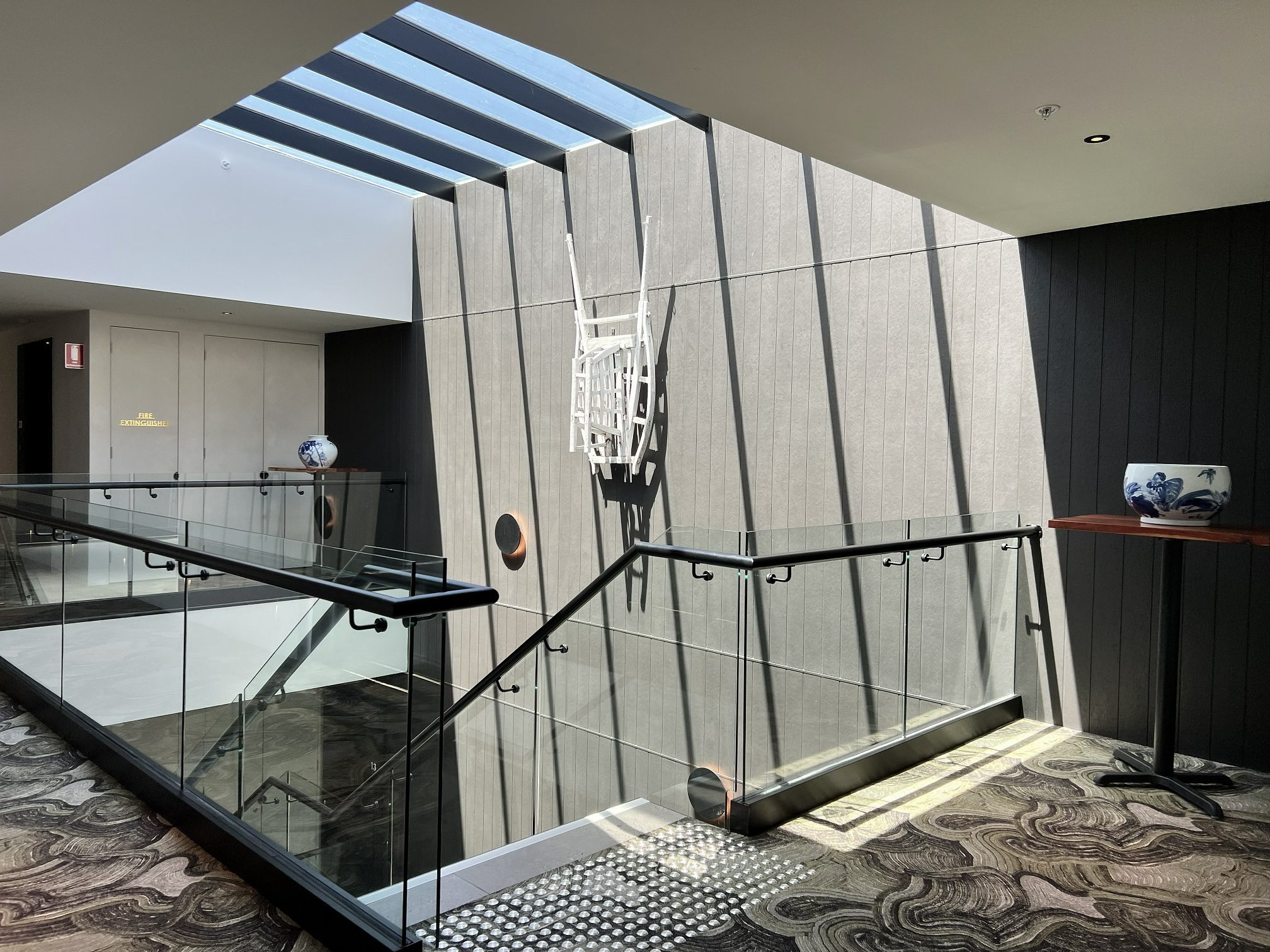
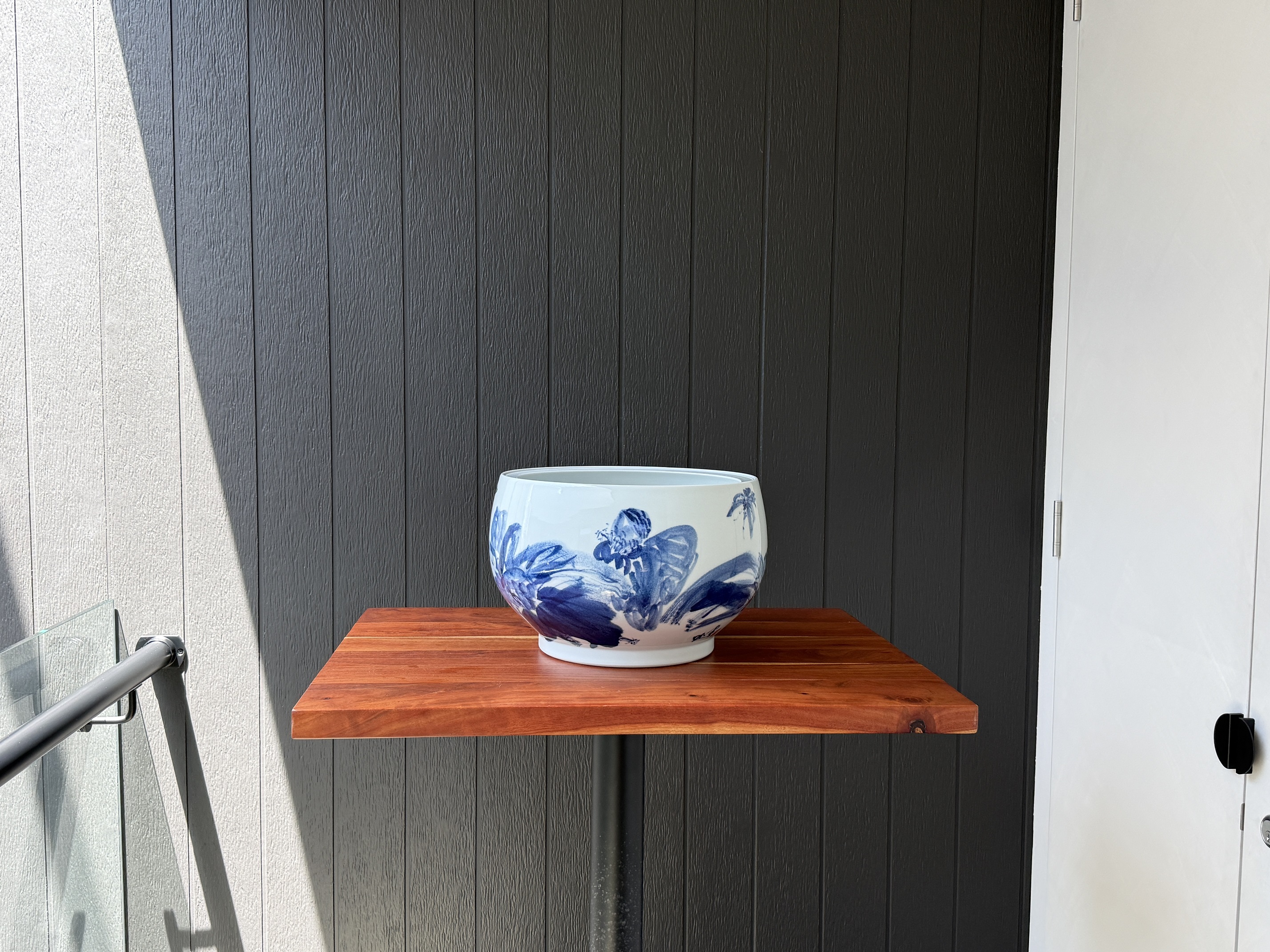
Helen & Joy Winery is a winery focused on wine production and spatial quality. Its environment brings together architecture, material, and use, creating a setting where functional and experiential aspects operate in balance.
The winery supports the presence of creative practices within its space, allowing works to exist in dialogue with daily operations and the surrounding environment.
More information about Re’em Yarra Valley Helen and joy Estate





%20-%20Copy.jpg)
